-
Monero Mining And Hashrate Explained: Built For Your CPU, No Pool Boss Required
Miners build every Monero block and collect its fees plus a 0.6 XMR reward that never ends. RandomX was built for ordinary CPUs, P2Pool has no pool operator, and on 19 October 2026 the network ran at about 6.57 GH/s.
Explainers
-
What Is Monero? The Private Money Brussels Wants Off The Exchanges
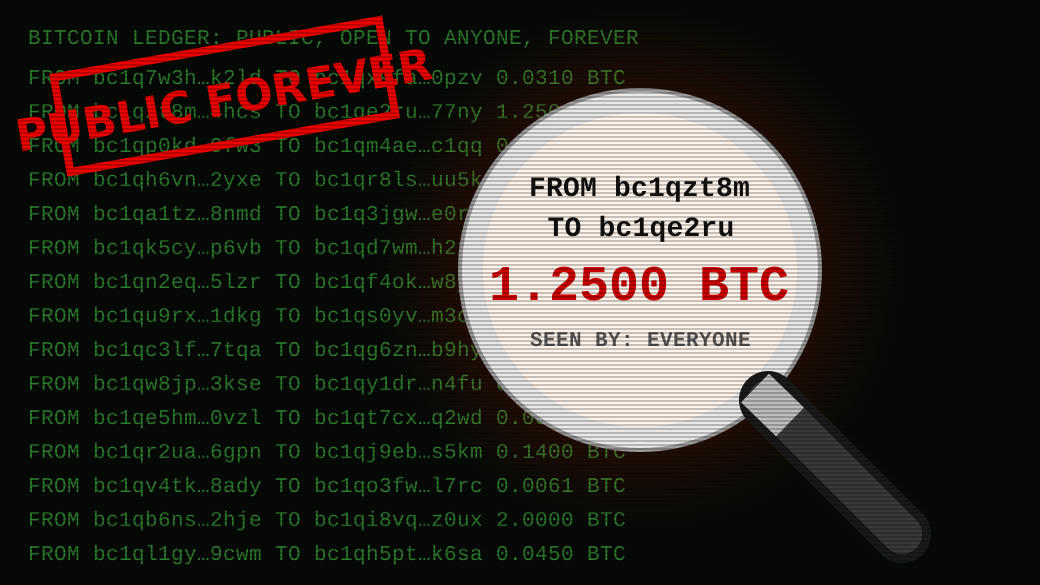
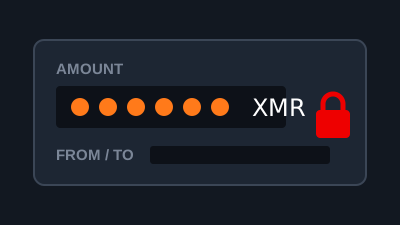
Monero hides the sender, the receiver and the amount by default. No company runs it, and no premine started it.
Explainers
-
Zcash Vs Monero: Private By Default Or Private By Choice? The Facts, Side By Side
Monero hides the sender, the receiver and the amount of every payment. Zcash lets users pick transparent or shielded addresses, and on 17 October 2026 about 29% of all ZEC sat in shielded pools.
Explainers
-
Is Monero Banned In The EU? What The 10 July 2027 Rule Bars, And What Stays Legal
No. As of 19 October 2026, the EU’s 2027 rule does not ban owning Monero. From 10 July 2027, it bars banks, financial firms and crypto-asset service providers from keeping accounts that allow “anonymity-enhancing coins.”
Explainers
-
Monero Tail Emission Explained: 0.6 XMR Per Block, Forever, Set In Code And Not By A Committee
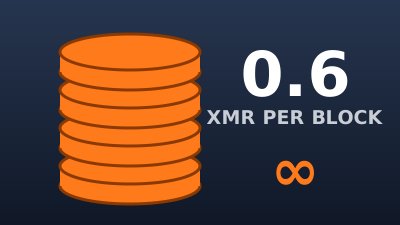
Since block 2,641,623 on 9 June 2022, every Monero block pays a fixed base reward of 0.6 XMR. That adds under 1% a year to the supply, and the rate falls every year.
Explainers
-
What Is FCMP++? Monero’s Upgrade Would Hide Your Coin Among 150 Million Outputs, Not 16
Full-chain membership proofs would replace today’s ring of 16 with a proof over every output on the chain. The newest public test network forked on 5 October 2026. There is no official mainnet date.
Explainers
Monero Explainers
Monero, privacy and the rules aimed at your money, in plain words. Every explainer links its sources.