
Your inbox. Your files. Your photos. For years Google promised that content would not be used to pick your ads. Now that promise has a condition attached.
Google has carved out an exception to its “long-standing promise not to use Gmail, Drive, and Google Photos content for advertising,” Decrypt reported, “quietly revising its privacy policy” so that data from those apps can help personalize ads when users connect it to the company’s AI features.
The change took effect on 16 October 2026 and was first spotted by Android Authority, according to Decrypt. It adds “a conditional clause to a pledge Google has made for years.”
Here is the new wording, as quoted by Decrypt. Google doesn’t show personalized ads based on content from Drive, Gmail, or Google Photos “unless you choose to make data from these services available to other Google services that support personalized ads.”
One word changes the whole promise. UNLESS.
The Catch Is Called Personal Intelligence
According to Decrypt, the exception “hinges on Personal Intelligence,” which lets features like AI Mode in Search and Gemini draw on a user’s own data.
Connecting Gmail, Drive or Photos to those tools gives more tailored answers, such as “surfacing a hotel reservation buried in an inbox,” Decrypt reported. Under the revised wording, that same connected data “can now also inform which ads a person sees.”
Connect your inbox to the AI for convenience, and under the new wording that same data can shape your ads.
Google stressed the limits, and they matter. According to Decrypt, content from the three services still isn’t used for ad targeting by default. Advertisers don’t get access to the contents of anyone’s Gmail, Drive or Photos. And the company says it won’t share personally identifying details without permission.
Decrypt summed it up: Google “isn’t scanning private emails and photos wholesale to sell ads,” but users who opt into its AI conveniences “may be trading some ad privacy for them.”
So the switch is off unless you turn it on. Did you read the fine print before you connected your apps?
How To Switch It Off
You can opt out. Decrypt reported that users can disconnect the apps under Connected Content apps in their Google Account’s Data & privacy settings, or turn off personalized recommendations.
There is a catch here too. Android Authority noted that “previously collected data may linger in a user’s Search history even after disconnecting,” according to Decrypt.
Disconnect the apps, and some earlier data may still sit in your Search history.
Check your settings. Then ask yourself a bigger question: how much of your life sits on servers you do not control?
Keep Your Money Out Of The File
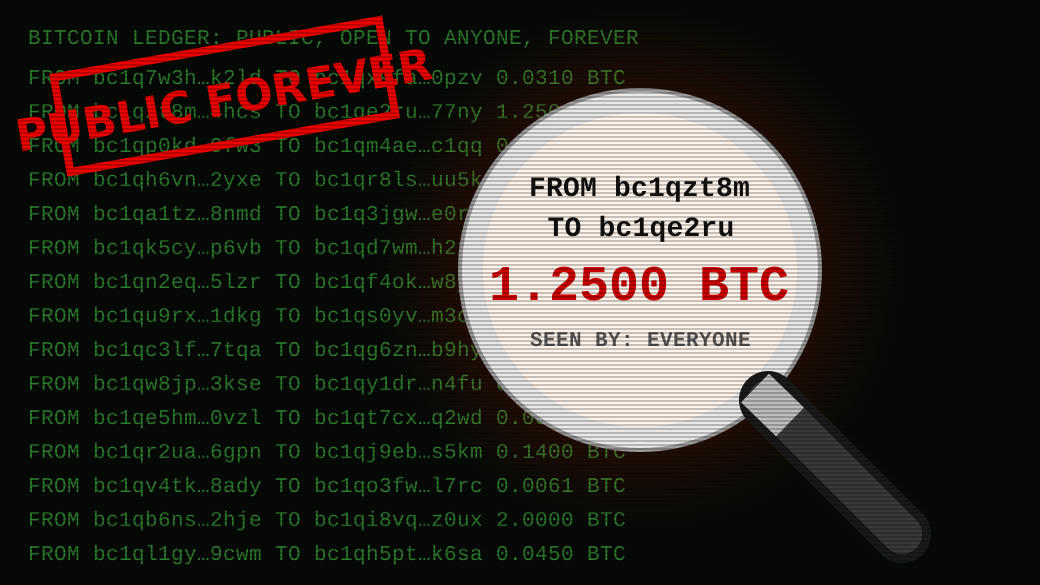
A self-custody wallet keeps your keys on your own device, not with an exchange. And Monero hides the sender, the receiver and the amount of each payment by default. Your payment history does not have to become one more file for someone else to read.
Monero One is a free, open-source, self-custody Monero wallet for iPhone and Android. Your keys stay on your device, and the app sends us no analytics. Full disclosure: the host built Monero One. He’s biased. He’s also right.
Want to go further? Read about remote nodes and your privacy.
Follow @MoneroOne on X and join the Resistance on Telegram (t.me/monero_one).
SOURCES
Join the resistance in style: get Monero One at no cost. It stays free.
Comments
Talk about this story with the resistance on Telegram.
Join the discussion